
Bone Grafting and Sinus Procedures
You may need bone grafting if:
You have lost teeth and your jawbone has started to shrink.
You are preparing for dental implants but lack sufficient bone support.
You’ve experienced gum disease or trauma that caused bone loss.
You want to preserve bone after a tooth extraction.
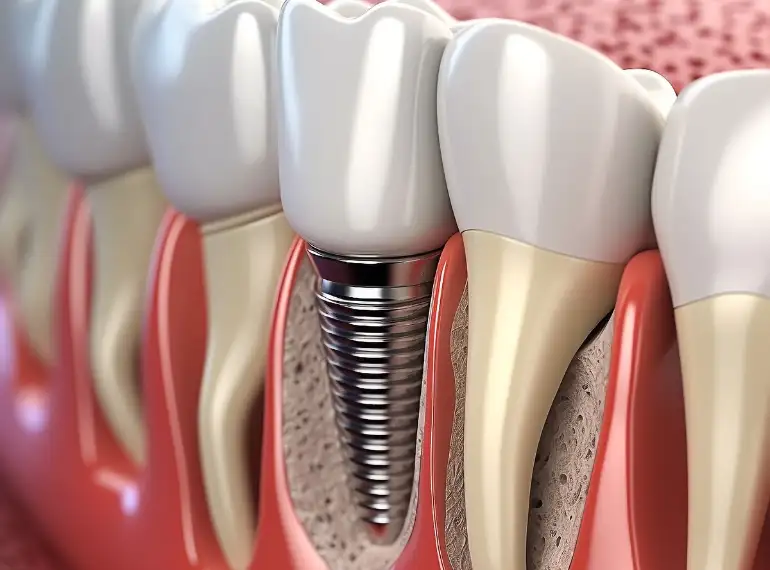
Is It Necessary to Have a Bone Graft Before Dental Implant Placement?
Not always. A bone graft is only needed if your jawbone does not have enough volume or density to support a dental implant securely. This can happen due to:
Tooth loss over time
Gum disease
Trauma or injury
Natural bone thinning
During your consultation, your dentist will use X-rays or 3D scans to assess your jawbone. If the bone is too thin or weak, a bone graft will be recommended to create a strong foundation for a successful and long-lasting implant.
In many cases, if the bone is healthy and dense, you can proceed with implant placement without a graft.
Types Of Dental Bone Grafts:
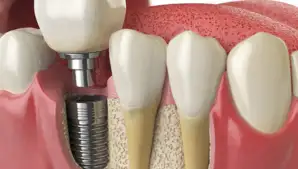
Autograft
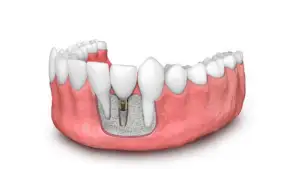
Allograft
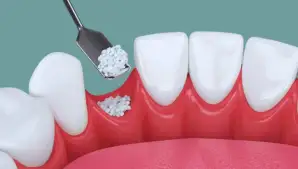
Xenograft
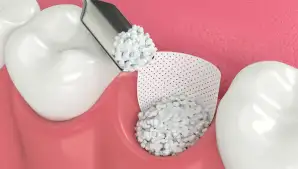
Alloplast
What Is a Sinus Lift Procedure?
If you’re considering dental implants in the upper back jaw but have been told there isn’t enough bone height, a sinus lift may be the solution. This advanced surgical procedure adds bone to the upper jaw in the area of your molars and premolars, making it possible to safely and securely place dental implants.
A sinus lift—also known as sinus augmentation—is a procedure that raises the sinus floor and adds bone to the upper jaw. It is typically performed when bone loss has occurred in the area beneath the sinus, often due to tooth loss, gum disease, or natural anatomy.
The added bone helps create a solid foundation for dental implants in areas where the existing bone is too thin or soft.
A sinus lift may be necessary if:
You are missing upper back teeth and want dental implants.
Your sinus cavity is too close to the jaw for implant placement.
You’ve experienced bone loss due to gum disease or long-term tooth loss.
Your jawbone is naturally thin in the upper molar and premolar area.
Sinus Procedures
Initial Evaluation: We use X-rays or 3D scans to assess your sinus and bone structure.
Surgical Procedure: A small opening is made in the bone near the sinus. The sinus membrane is gently lifted, and bone graft material is placed beneath it.
Healing Period: The area heals over several months as the grafted bone integrates with your natural bone.
Implant Placement: Once healing is complete and enough bone has formed, dental implants can be placed securely.
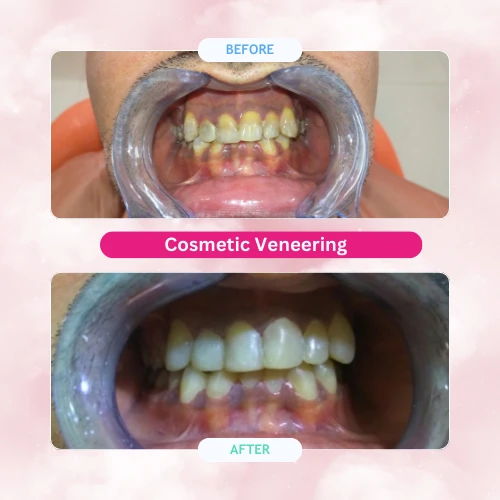
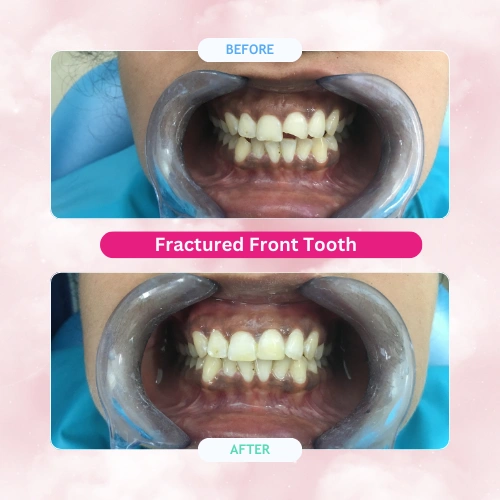
Client Transformations
We Design Smiles. At Mint Leaf Dental, our staff provides complete dental care with the highest standard of treatment, tailored specifically to each individual client.

Why Mint Leaf Dental Care?
We are the best dental clinic in Gurgaon offering quality treatments with care for our patients at very competitive pricing.
BOOK APPOINTMENT TODAY
When you visit Mint Leaf Dental Clinic, your dental health is our top priority. Our entire team is dedicated to providing you with the personalized, gentle care that you deserve.
EXCELLENT Based on 124 reviews
 Posted on Google
 Mahi Bhati
Trustindex verifies that the original source of the review is Google.
Mint leaf dental is one of the best clinics in gurgaon. Dr.Vandana and her team of doctors are very efficient in their work. They are dedicated to patient satisfaction.Posted on Google Keshn pas PasMint leaf dental is one of the best clinics for dental problems. I got my RCT done from here and the doctors were very sweet and passionate about their work.Posted on Google
 Lavish BhardwajMint leaf dental is an amazing clinic for all tooth related problems. My tooth was aching and the doctors relieved my pain with RCT.Posted on Google
 Sanjay KumarThe Mint Leaf Dental Clinic facility and the experience with them was amazing. I got the best treatment from here, the staff Clinically was good and the doctor personally observed here well from time to time Dental & Skin review medications were provided to here properly. Excellent Expertise and support during the whole procedure. I was nervous for my dental appointments but they guide you with every step and help you get the treatment without any pain. Dental Implants, Invisalign & Aligners, Full Mouth Rehabilitation, Smile Makeovers, Root Canal Treatment, Crowns & Veneers on best treatment. and all types of teeth and skin related treatment facilities are available here.Posted on Google
 harendra singhIs clinic mein treatment achha hota hai aur result bhi achcha rahata haiPosted on Google
 DR VANDANA THAKRANExcellent place for anything dental and now skin as well !! Sparkly clean and absolutely helpful staff !!Posted on Google
 shaan saifiVery supportive staff and awareness about the dental checkup thanks for supportPosted on Google
 Nisha BhosleIt was great experience...My skin is now super glowing🌟